Weekly Love Guidance
Consent-first, practical guidance on love traditions, reconciliation, boundaries, and relationship clarity.

Love. Clarity. Choice.
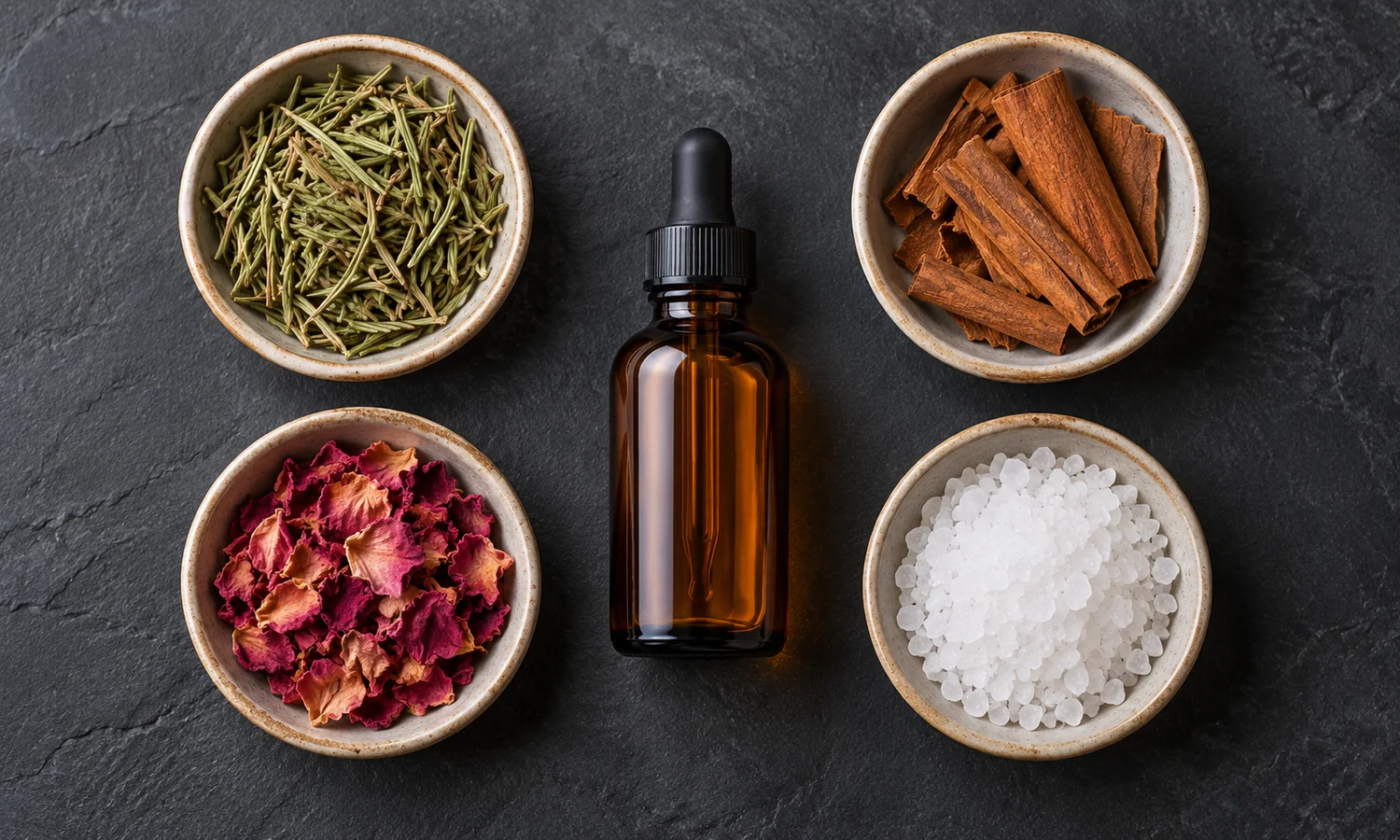
Online obsession spell recipes commonly mention red or black candles, petitions, photographs, cinnamon, roses, honey, coffee, oils, and personal concerns. Meanings vary by tradition, and no ingredient is scientifically proven to cause obsession. Because the intended outcome can violate consent, use these symbols only in a reframed ritual for mutual attraction, self-confidence, or release. Never use bodily material, private property, unsafe herbs, or anything added secretly to food or drink.
Related guidance: Understand why obsession practices require caution, consider a consent-first pause before beginning, compare claimed effects and practical explanations, and see how similar ingredients appear in another tradition.
| Ingredient | Symbolic meaning | Handling precaution | Avoid when |
|---|---|---|---|
| Candle | Focus or intensity | Use a stable holder and never leave flame unattended | Open flame is unsafe or prohibited |
| Herbs | Attraction, memory, or focus | Identify the plant; avoid ingestion and smoke exposure | Allergies, pregnancy concerns, or pet toxicity are possible |
| Oils | Anointing or intention | Use skin-safe dilution and keep away from flame | The label is unclear or irritation occurs |
| Photograph or personal item | Symbolic connection | Protect privacy and ownership | It was obtained without permission |
Red candles often represent passion, courage, heat, or sexual energy. Pink may symbolize affection and tenderness. White is commonly used for clarity or as a neutral substitute. Black may symbolize banishing, protection, or constraint, depending on the system.
Choose a stable candle in a fireproof holder and follow its instructions. Do not overload it with dried herbs, glitter, paper, or oil; these can create an unpredictable flame. Keep it away from drafts, fabric, children, and pets, and never leave it unattended. A battery candle is appropriate when fire is unsafe.
A petition is a written statement of intention. Names and photographs are often used as symbolic links to people. That symbolism can make a targeted ritual feel especially intense, increasing the practitioner’s own fixation.
For a consent-first alternative, write relationship qualities instead of a person’s name: mutual desire, emotional availability, honesty, playfulness, and respect. If using a partner’s photograph in a shared ritual, obtain permission. Never use private images acquired through deception or unauthorized account access.
Honey, sugar, and syrup symbolize sweetness or kinder communication. Cinnamon and ginger are often associated with warmth, speed, passion, or motivation. Coffee may symbolize energy and urgency. These are metaphorical associations, not guaranteed effects.
Food ingredients can attract pests or mold when stored. Seal jars and dispose of spoiled contents safely. Cinnamon dust can irritate lungs, essential oils can burn skin, and many substances are unsafe for animals. Do not eat ritual mixtures or secretly serve them to anyone.
Rose is widely associated with love; lavender with calm; basil with harmony; rosemary with remembrance or protection. Some online lists include patchouli, damiana, licorice root, or plants tied to particular folk traditions. Research cultural context and physical safety before use.
“Natural” does not mean harmless. Plants can be toxic, allergenic, psychoactive, or incompatible with medications. Avoid ingestion unless a qualified professional has confirmed the product and use. Smoke-free symbolism—drawings, written names, or commercially prepared tea kept outside the ritual—reduces risk.
Commercial ritual oils may contain undisclosed fragrance, allergens, or essential oils. Use only products with clear labels and intended uses. Never apply undiluted essential oil to skin or place oil directly on a burning candle. Keep oils away from eyes, flame, children, and animals.
An expensive “obsession oil” is not more powerful than a simple symbolic item. Guaranteed claims, secret formulas, and pressure to buy matching boosters should make you cautious.
Some recipes call for hair, nail clippings, clothing, underwear, saliva, sexual fluids, or blood. These raise consent, hygiene, and biohazard concerns. Taking them without permission is invasive, and adding them to food or personal spaces can be dangerous or unlawful.
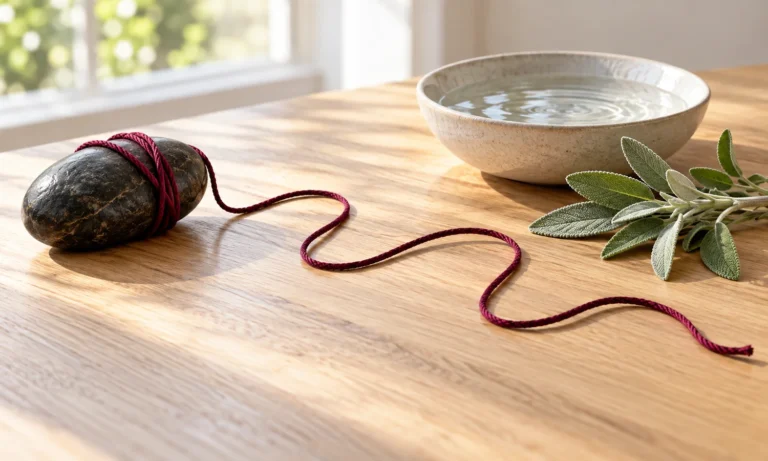
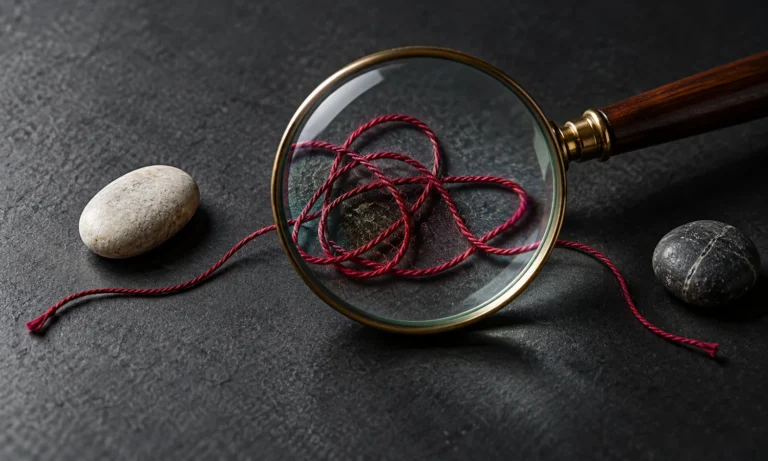
Do not use blood. Do not handle another person’s bodily material. A written quality or colored thread can provide symbolism without violating privacy or creating biological risk.
For a mutual-attraction ritual, choose one pink or white candle, a clean piece of paper, a pen, and an optional rose image. Write: “I welcome passionate love that is reciprocal, healthy, and freely chosen.” List the behaviors you will contribute, such as honesty and respect.
For release from fixation, use paper and a bowl of water. Write the attachment you are releasing, tear the paper, and place it beside—not necessarily in—the water while breathing slowly. Dispose of paper in ordinary waste and pour plain water down the drain. The aim is to support your decision, not create a supernatural guarantee.
Ask five questions: Is every person’s consent preserved? Are the ingredients physically safe? Does the recipe appropriate a living tradition without understanding? Is someone making a guarantee? Will the practice increase fixation or support grounded action?
If any answer is concerning, simplify or stop. The safest ritual never requires secrecy from a person whose boundaries it targets.
No ingredient is proven to create obsession. “Most powerful” is usually marketing language.
Only with explicit permission, but it is usually better to avoid personal material and focus on mutual qualities.
Only if clearly labeled for topical use and used as directed. Patch-test when appropriate and never use undiluted essential oils.
Use paper, thread, a color, a word, or another nonpersonal symbol.
Disclaimer: Ingredient symbolism is presented for education, not as proof of supernatural effects. Do not ingest ritual materials or use another person’s property or bodily material without consent. Consult qualified health guidance for exposure or reactions.