Weekly Love Guidance
Consent-first, practical guidance on love traditions, reconciliation, boundaries, and relationship clarity.

Love. Clarity. Choice.
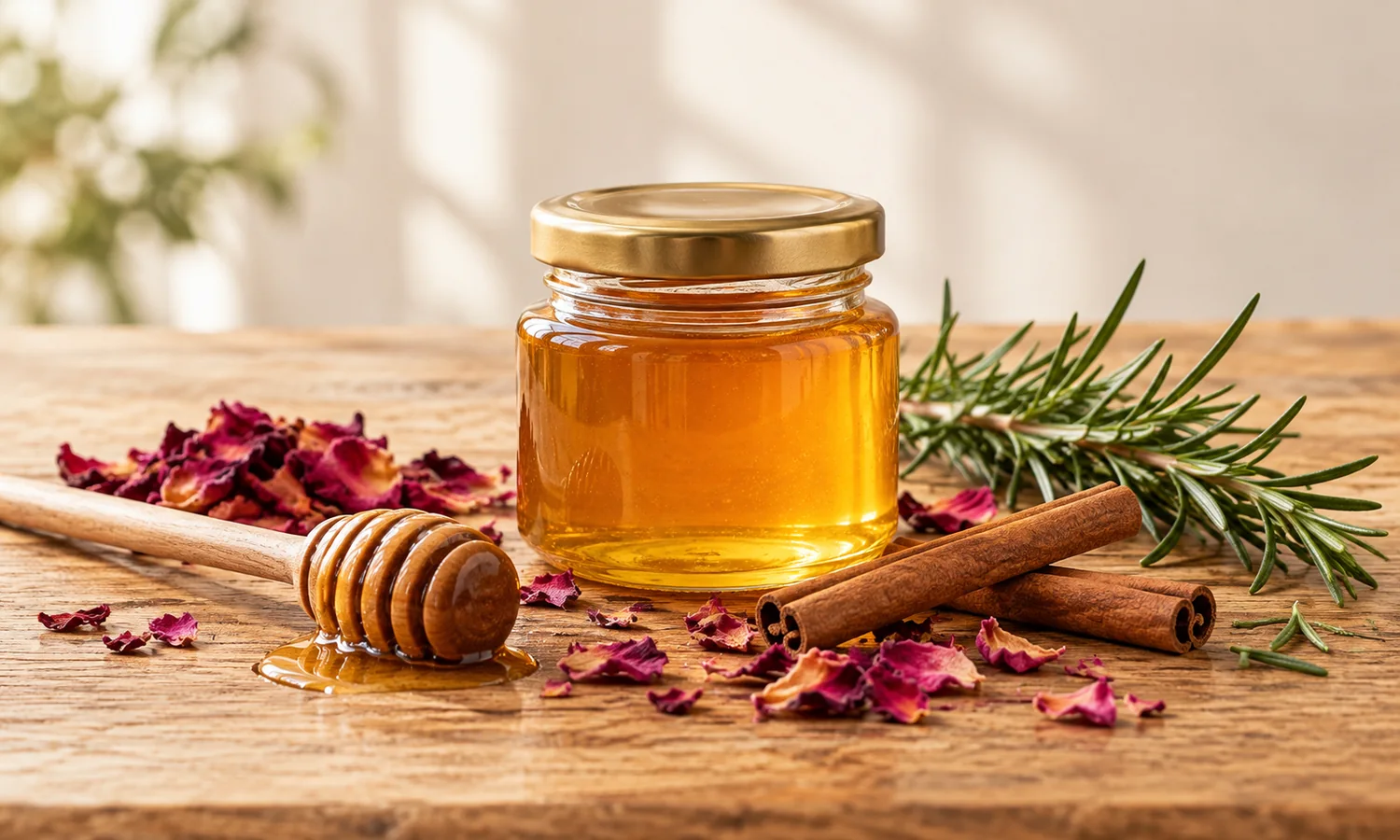
A honey jar love spell is a “sweetening” ritual in which honey or another sweetener symbolizes kinder communication, affection, or harmony. Practices vary and may draw from distinct folk traditions, so avoid claiming one universal method. A consent-first version asks for mutual warmth and honest conversation, not control. The jar can serve as a visual reminder to speak and act with care; it cannot guarantee another person’s feelings.
Related guidance: See where honey jars fit among love-spell traditions, review candle color and fire safety, compare ingredient meanings and precautions, and explore reconciliation ingredients and symbolism.
| Ingredient | Traditional meaning | Practical caution | Optional substitute |
|---|---|---|---|
| Honey | Sweetness, warmth, or patience | Sticky spills attract pests; do not ingest ritual mixtures | Maple syrup in a sealed jar |
| Sugar | Sweetening and ease | Keep dry and away from moisture | A written word such as “kindness” |
| Rose petals | Affection and openness | Check fragrance allergies and pet safety | Paper rose or rose-colored ribbon |
| Cinnamon | Warmth or momentum | Can irritate skin and airways; keep away from flame | A cinnamon-colored paper symbol |
Sweetening jars appear in contemporary folk-magic and witchcraft communities, with practices influenced by hoodoo and other traditions. Because those histories matter, learn from responsible cultural sources and avoid presenting a simplified internet recipe as ancient or universal.
Typically, a written petition goes into a jar with honey, sugar, syrup, or another sweetener. The maker may pray, meditate, shake the jar, or burn a candle nearby. The physical sweetness represents a desired shift toward warmth. From a secular perspective, the object can function as a cue to approach conversations patiently.
A constructive goal might be easing tension between willing partners, encouraging civility during a shared project, or cultivating your own gentle communication. The request should still allow every person to disagree, leave, or set boundaries.
Avoid intentions like “make this person obey me” or “prevent my ex from loving anyone else.” Those aims promote coercion and fixation. A better petition is: “May communication between us become kind, honest, and freely chosen, if continued contact supports us both.” For general love, describe the relationship qualities you want without naming a target.
Use a small clean jar with a secure lid, a piece of paper, pen, and honey or sugar. Optional symbolic additions include rose petals for affection, lavender for calm, cinnamon for warmth, or basil for harmony. Meanings differ across systems.
Check allergies and pet safety. Keep plant material dry if storing the jar, since moisture can cause spoilage. Do not add bodily fluids or personal items taken without permission. Do not eat the contents. If food waste concerns you, use colored paper, beads, or a written “sweetness” symbol instead.
Clean the jar and workspace. Take several slow breaths and name the situation accurately. On paper, write the people’s names only when contact is welcome; otherwise write a general phrase such as “mutual, healthy love.” Add the petition and a small amount of sweetener.
State: “May my words and actions support kindness, honesty, and free choice. May the outcome serve everyone’s well-being.” Seal the jar. Hold it while imagining a calm conversation—not a person surrendering their will. Then write one concrete action outside the ritual: apologize without excuses, request a conversation once, or give someone requested space.
Store the jar in a safe place. You may revisit it weekly for reflection, but avoid compulsive checking. A ritual is complete when it has clarified your action; it does not need constant feeding, candles, or purchases.
Some practitioners place a small candle on the lid. This creates extra fire and heat risk, and wax can make a container unstable. The safer option is to set a candle in its own fireproof holder beside the closed jar, with clear space between them.
Pink can symbolize affection, white clarity, and blue calm communication. Supervise the flame continuously and extinguish it before leaving. A battery candle provides the same visual focus without open flame.
Do not use bubbles, crystallization, wax shapes, dreams, or social-media coincidences as proof. Honey naturally changes texture, and stored organic material can ferment or mold. In relationships, the meaningful indicators are observable: respectful replies, consistent behavior, accountability, and reciprocal interest.
Decide in advance when you will review the situation. If there is no response, accept the information rather than escalating contact. If communication improves but old harmful patterns return, prioritize boundaries and professional support over maintaining the jar.
You can end the practice at any time. Thank the ritual for the reflection it supported, remove noncompostable materials, and dispose of contents according to local waste guidance. Do not leave jars in nature, bury glass, or pour oily mixtures into waterways.
Ending a jar does not cause punishment or reverse outcomes. Fear-based warnings are often used to keep people dependent on paid services. Your safety and values matter more than ritual rules.
There is no required period. Choose a review date, such as two or four weeks, and dispose of it when it no longer supports healthy action.
Yes. The sweetener is symbolic. You can also use a nonfood representation.
There is no evidence it can make someone return. Reconciliation requires their free choice and sustained behavior from both people.
Seal it, dispose of it safely, clean the area, and do not interpret spoilage as a supernatural message.
Disclaimer: This article is educational and does not guarantee supernatural or relationship results. Respect consent, cultural context, allergies, fire safety, and local disposal rules.