Weekly Love Guidance
Consent-first, practical guidance on love traditions, reconciliation, boundaries, and relationship clarity.

Love. Clarity. Choice.
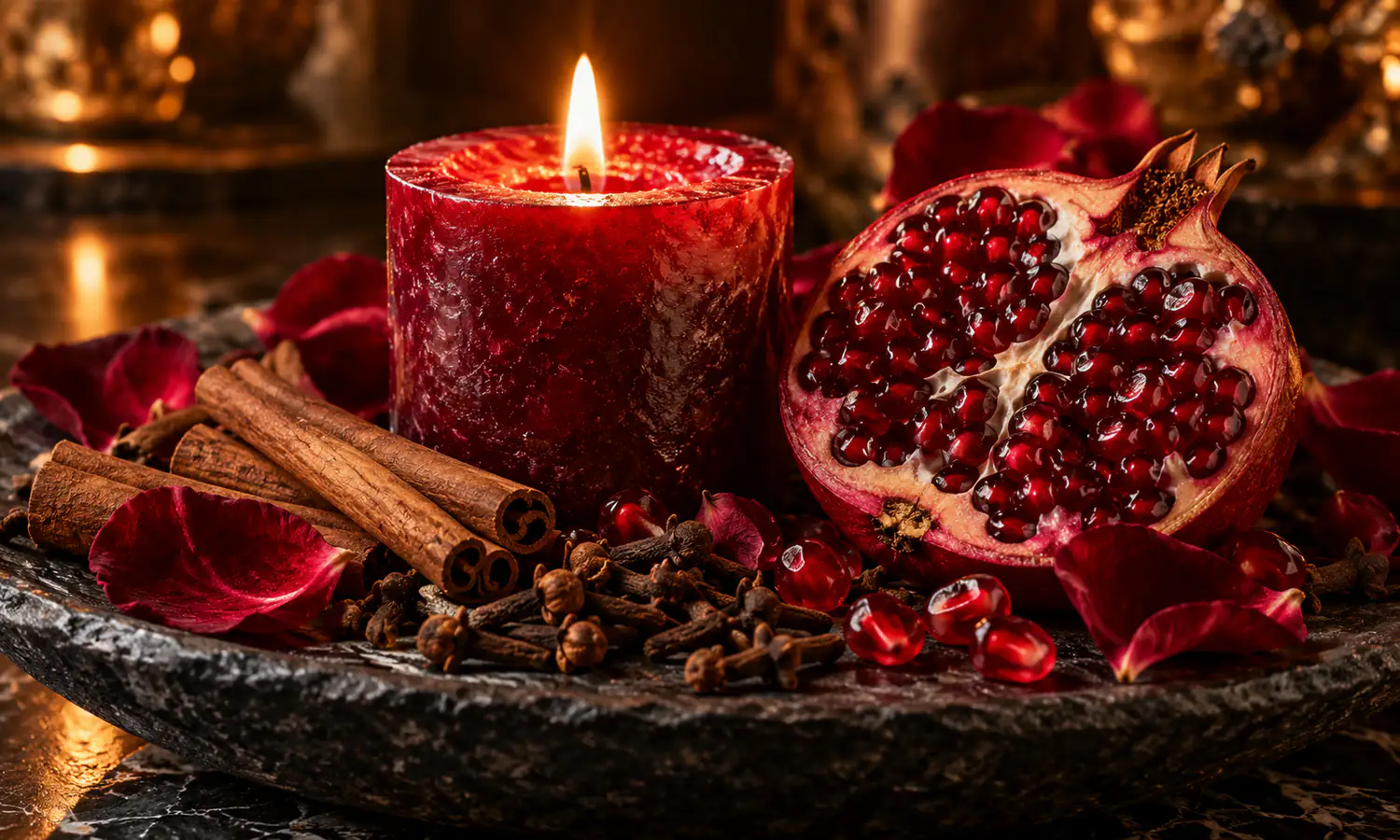
A passion spell is a symbolic ritual for warmth and closeness, not a way to pressure anyone. Learn the meaning, a gentle couples' ritual, and the ordinary causes of changing desire.
Quick answer: A passion spell is a ritual that expresses a wish for more warmth, desire, and closeness, often using red or orange candles, cinnamon, and other fiery symbols. Ethical versions are self-focused or shared by two partners who both agree, never aimed at someone who has not consented. No spell can create desire in another person. Changes in desire often have ordinary causes such as stress, sleep, or health, so an honest talk and, if needed, a doctor visit come first.
Related guidance: For background, read our overview of love spells and their ethics, the symbolism in a red candle love spell, an honest look at whether love spells really work, and the softer tradition of a honey jar love spell.
| Symbol | Traditional association | Consent-based use |
|---|---|---|
| Red candle | Warmth, energy, and desire | An LED or supervised candle on a shared evening |
| Orange candle | Enthusiasm and playfulness | A light to begin a relaxed date night |
| Cinnamon stick | Warmth and spice | Kept in a dish for scent; skip it if anyone has allergies |
| Rose petals | Romance and affection | Loose on a tray, well away from any flame |
| Garnet | Vitality and devotion in crystal lore | Kept nearby as a reminder of your intention |
Key Takeaways
In folk tradition, passion is linked with fire, the color red, and spice. Practitioners describe a passion spell as a ritual for bringing warmth, playfulness, and energy back into a relationship, or into your own sense of vitality. A lust spell is usually described as narrower, focused on physical attraction.
In many folk traditions, charms and recipes for desire are built around foods, flowers, and colors. They are best read as symbols of warmth rather than as devices that act on another person. Modern practitioners tend to use them to set a mood and state an intention.
People search for these spells for many reasons. A long-term relationship may have gone quiet, a new crush may feel exciting, or someone may simply want to feel more alive and confident. This guide stays non-explicit and keeps its focus on closeness, communication, and consent.
Passion is also about more than the physical side of a relationship. It includes curiosity, shared laughter, feeling admired, and the excitement of trying new things together. These qualities often matter more than any single ingredient does.
Desire is something a person feels for themselves, and nobody else can order it. A lust spell aimed at a specific person who does not know about it tries to override their choice. Ethical practitioners consider that a clear breach of consent.
The same goes for any shortcut that involves slipping something into food or a drink. Giving someone a substance without their knowledge is dangerous, and it can be a crime. A ritual should never involve what another person eats, drinks, or wears without their full awareness and agreement.
If you are drawn to someone specific, the respectful route is to get to know them and to be honest about your interest. Our guide to a spell to make someone love you explains why targeted spells are discouraged and what to try instead. If someone says no or asks for distance, respect it completely.
When passion fades in a relationship, it is tempting to look for a magical cause. More often, the reasons are ordinary. Changes in desire are a normal part of life, and they say nothing about your worth or your partner’s.
Some everyday factors include:
None of these can be fixed with a candle, although a ritual can help you slow down and feel more present. If a change in desire is persistent or distressing, or comes with pain or other symptoms, please talk with a doctor. A licensed couples therapist or sex therapist can also help you and your partner talk about closeness without pressure.
It also helps to remember that desire differs from person to person. Some people feel it spontaneously, others mainly in response to closeness and attention, and some feel little of it at all. None of these patterns is wrong, and a partner’s different level of interest is not a personal failing.
This shared ritual is about warmth, appreciation, and play. There is no expectation that it leads anywhere physical, and either person can stop at any time.
You will need paper, two pens, and a red or orange candle in a stable holder on a heatproof dish. If neither of you has allergies or asthma, add a cinnamon stick in a small dish for scent. An LED candle is a safe alternative to a flame.
Afterward, talk about what felt good about the evening, such as the laughter, the attention, or the slower pace. Ask what each person would like more of, and respect every answer, including “not right now.” Small, repeated moments of connection tend to matter more than one big gesture.
If you are single, or your partner prefers not to take part, try a self-focused version. Take a warm bath or put on music you love, and write a few lines about what makes you feel confident, alive, and at home in your body. The aim is to reconnect with your own sense of vitality, not to draw a particular person.
For more on cinnamon and other traditional plants, including allergy and smoke cautions, see our guide to love spell herbs.
A ritual like this may help you feel relaxed, appreciated, and closer, and it may open a conversation you have been avoiding. It cannot create desire, and it comes with no promised result or timeline. Desire tends to respond to safety, attention, playfulness, and feeling known, which you can build through ordinary daily habits.
Give it time and keep the pressure low. Some couples notice a change in mood after one evening, while others need several conversations. There is no set timeline, and a slower pace is not a sign of failure.
Watch for these red flags:
If you or your partner has felt pressured, frightened, or hurt, or if someone has asked for no contact, respect that boundary and reach out to local support services or emergency services. Couples counseling can also help you rebuild trust and talk about intimacy at a pace that feels safe for both of you.
A passion spell is a ritual that expresses a wish for more warmth, desire, and closeness. It often uses red or orange candles, cinnamon, or rose petals as symbols. Ethical versions are self-focused or shared by two willing partners. They are symbolic, cannot create desire in another person, and come with no promised result.
No. Desire is a personal feeling, and a spell aimed at someone who does not know about it tries to override their choice, which is a consent problem. Never put anything in someone’s food or drink. If you are interested in someone, be honest, get to know them, and accept their answer.
Start with honest conversation, appreciation, and time together without screens or pressure. Small, playful shared experiences such as a date night or a slow dance can help. A simple candle ritual can set a calm mood, but it is a supplement, not a fix. If problems persist, consider couples counseling or a sex therapist.
Common reasons include stress, poor sleep, exhaustion, hormonal changes, some medications, health conditions, low mood, and unresolved conflict. These are ordinary and do not mean something is wrong with you or your partner. If the change is persistent or distressing, talk with a doctor, and consider a couples therapist or sex therapist.
Disclaimer
Disclaimer: This article is for education and cultural interest only and does not promise any outcome from a ritual. Always respect consent and boundaries, and never direct a spell at someone who has not agreed. For changes in desire, persistent distress, or health concerns, please see a doctor or licensed therapist, and contact local emergency services if you feel unsafe.