Weekly Love Guidance
Consent-first, practical guidance on love traditions, reconciliation, boundaries, and relationship clarity.

Love. Clarity. Choice.
A marriage spell draws on folk customs such as handfasting, but no ritual can force a proposal. Explore the traditions, a couples' ritual, and honest ways to talk about the future.
Quick answer: A marriage spell is a ritual that expresses a hope for marriage, often drawing on folk customs such as handfasting, knots, and rings. No ritual can make another adult propose or say yes, and ethical practice never tries to. Used responsibly, a marriage spell is a ceremony that two partners choose together, or a personal ritual for clarity, paired with honest conversations about timing, values, and the future.
Related guidance: To place this topic in context, read our overview of love spells and their ethics, see whether love spells really work, learn how love binding spells are explained, and explore the symbolism of a red candle love spell.
| Custom | Where it appears | Symbolic meaning |
|---|---|---|
| Handfasting | Celtic-inspired and modern pagan ceremonies | Two lives joined by a cord |
| Wedding ring | Many cultures | An unbroken circle of promise |
| Love knot | European folk art and jewelry | Two strands tied into one |
| Jumping the broom | Commonly linked to African American weddings | Stepping over a threshold into shared life |
| Rosemary in bouquets | Historic European weddings | Remembrance and faithfulness |
Key Takeaways
A marriage spell is a ritual that centers on the hope of marrying, or of moving a relationship toward marriage. People use the phrase for very different things. Some mean a blessing ritual for an upcoming wedding, some mean a personal ritual for clarity, and others mean a spell meant to push a partner toward a proposal.
Folk tradition has long surrounded weddings with symbolic acts meant to invite luck, love, and protection. Rings, knots, flowers, and shared cups all carry layers of meaning that couples still borrow today. Many practitioners see these acts as a way to mark a change in life, not as a switch that forces a result.
The third meaning is where ethics come in, and we return to it below. If your main question is about a partner who avoids the topic, our guide to a commitment spell looks at that situation in depth.
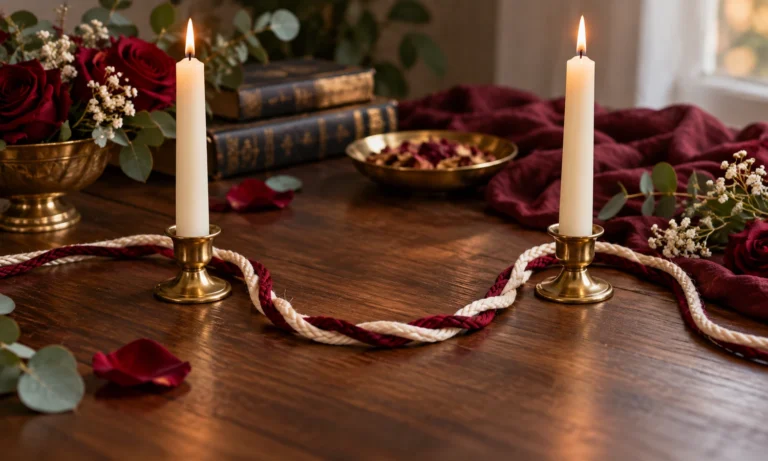
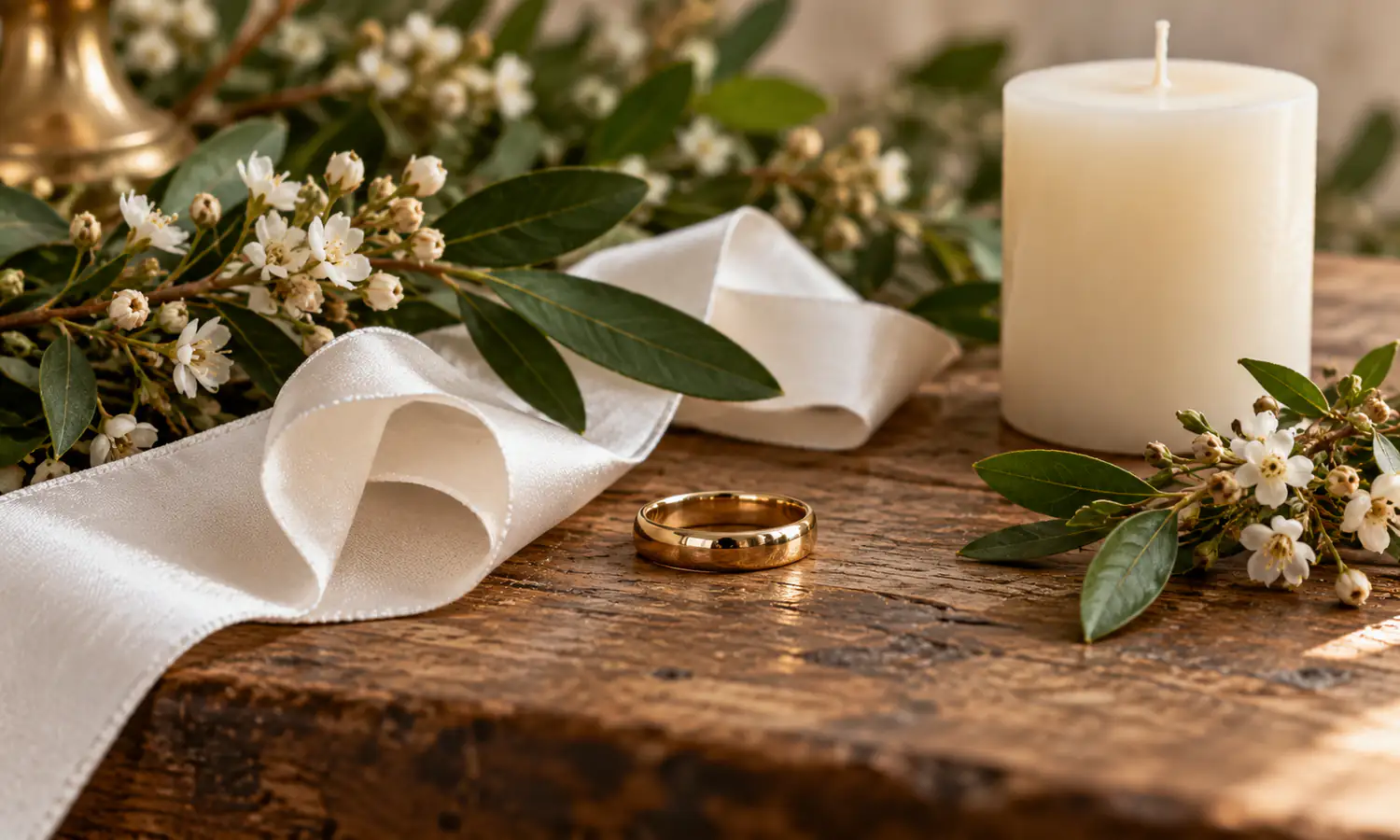
Handfasting is the custom most often linked with marriage spells. In a typical modern ceremony, a cord or ribbon is wrapped around the couple’s clasped hands while they speak their vows. Many people connect it to the phrase “tying the knot,” though the exact history is debated.
Modern practitioners often associate different ribbon colors with different hopes, such as white with peace or red with devotion. Some couples keep the cord afterward as a keepsake. A handfasting is typically a symbolic ceremony, so if you want a legal marriage, check your local requirements for a license and an officiant.
Many couples personalize the ceremony. They may write their own vows, choose ribbons in colors that matter to them, and invite only people who are supportive. The words matter more than the materials, because the ceremony is a spoken promise made freely by both people.
Other customs sit alongside it. A ring’s unbroken circle stands for an ongoing promise, and rosemary in bouquets is traditionally linked with remembrance. The broom jump is often associated with African American weddings, and it deserves respect as a cultural tradition rather than treatment as a spell ingredient.
Many modern Wiccan and pagan couples include handfasting in their ceremonies. Our article on Wiccan love spells explains how those traditions think about consent and harm.
Searches like “spell for marriage proposal” usually come from a hard place. You may have waited a long time, watched friends get engaged, or feel unsure where you stand. Those feelings are valid, and they deserve a real answer.
Family and cultural expectations can add weight to these questions. In some families a proposal carries extra meaning, and that pressure can be hard to separate from your own wishes. Take time to ask which hopes belong to you and which belong to other people.
A spell that targets one person’s decision is a different matter. Marriage is a legal, financial, and emotional promise, and it only means something when both people choose it freely. A proposal that comes from pressure, or from a ritual done without the other person’s knowledge, starts a marriage on shaky ground.
There are practical reasons to avoid it, too. Waiting for a spell to “work” can keep you in limbo while real questions go unanswered. Also, never use a partner’s hair, photos, or belongings without their clear permission.
A healthier path is to ask the question directly and to work on your own readiness. What do you want a marriage to look like? What will you do if your partner wants a different timeline? Those answers give you something solid that no spell can supply.
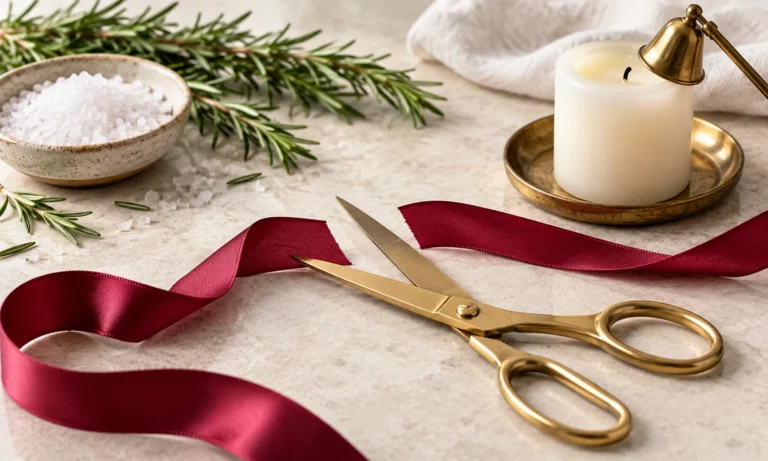
If you and your partner both enjoy symbolic ceremonies, a small ritual can be a meaningful way to talk about your future. Choose it together, with no pressure to reach a decision by the end. You will need two ribbons or pieces of cord, paper and pens, and a candle in a stable holder on a heatproof dish. An LED candle is a safe substitute.
If you are single, or your partner prefers not to take part, write a letter to yourself describing what you would want in a marriage and what you would offer. Keep it somewhere private and read it again when you feel unsure.
After a shared ritual, keep the ribbons somewhere you can both see them. They can serve as a reminder to keep talking, not as a sign that anything has been decided. Real decisions still happen in open, honest conversation.
A ritual can set a calm tone, but the real work happens in conversation. Marriage involves practical questions that no symbol can settle. Bring a few of them to the table, one at a time:
Expect a mix of clarity and uncertainty. Some couples talk for weeks or months before either person feels ready, and there is no standard timeline. A ritual may help you feel more grounded, but it cannot determine your partner’s answer or set a timeline. If your answers differ, premarital or couples counseling can help you understand each other and decide what to do next.
Stay alert to warning signs, such as a caster who promises a proposal by a certain date, anyone who asks for your partner’s belongings, or a partner who uses the topic to control you. If you ever feel frightened, threatened, or pressured, or if someone has asked for no contact, respect that boundary and contact local support services or emergency services.
A marriage spell is a ritual that expresses a hope for marriage or offers a blessing for a wedding. It often draws on folk customs such as handfasting, knots, rings, and herbs. Ethical versions are shared ceremonies or personal clarity rituals. They are symbolic, cannot compel anyone to propose, and come with no promised outcome.
No. A proposal is a free choice, and a spell cannot and should not override it. Pressure or hidden rituals can damage trust. A healthier route is to talk openly about your hopes and timeline, ask what your partner wants, and consider premarital or couples counseling if your answers do not match yet.
Handfasting is a custom in which a cord or ribbon is wrapped around a couple’s joined hands during their vows. It is usually a symbolic ceremony, and its exact history is debated. In many places it is not legally binding on its own, so check your local requirements for a license and an officiant.
Pick a calm moment and start with your own feelings, such as what marriage means to you. Ask open questions about timing, children, money, and family. Listen fully, even when answers are uncertain, and avoid ultimatums. If talks keep stalling, premarital or couples counseling can give you both a structured, neutral space.
Disclaimer
Disclaimer: This article is for education and cultural interest only, and it does not promise any outcome from a ritual. Marriage is a free choice for both people, so respect your partner’s consent and boundaries. For relationship difficulties, consider a licensed counselor, and contact local emergency services if you feel unsafe.