Weekly Love Guidance
Consent-first, practical guidance on love traditions, reconciliation, boundaries, and relationship clarity.

Love. Clarity. Choice.
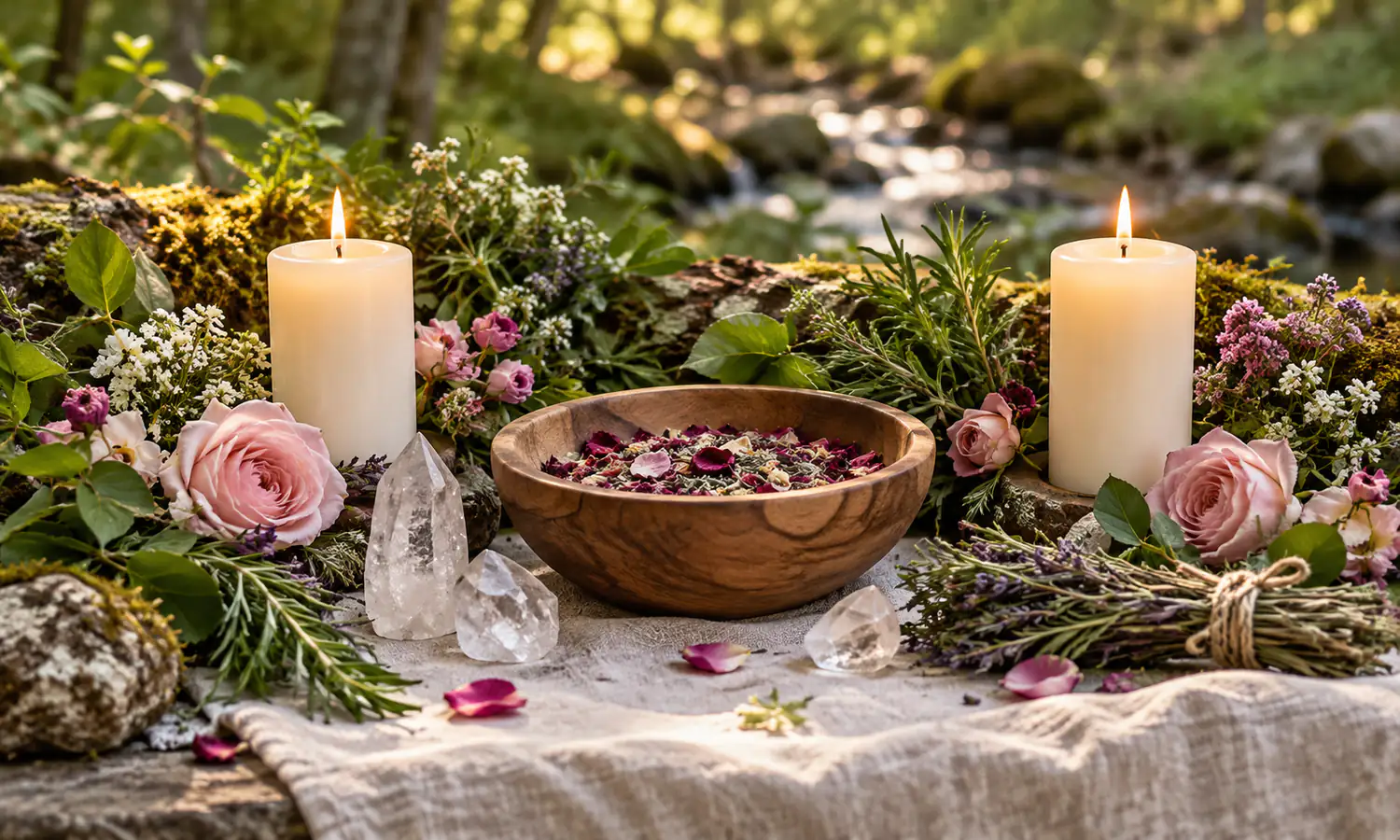
How the Wiccan Rede and Threefold Law shape love magic, why consent comes first, and a simple self-focused ritual you can try safely at home.
Quick answer: A Wiccan love spell is a ritual shaped by the Wiccan Rede (“an it harm none, do what ye will”) and, for many, the belief that your actions return to you. Because of this, most practitioners keep love magic self-focused, such as building confidence, inviting openness, or finding clarity. Many avoid spells that target a specific person, since that can override free will. No ritual can promise a result, so pair any spell with honest action.
Related guidance: For the wider picture, read our guides to love spell types and ethics, whether love spells really work, the red candle love spell, and how to break a love spell safely.
| Wiccan idea | What it means | Effect on love spells |
|---|---|---|
| The Rede | A short ethic: “an it harm none, do what ye will” | No spell should harm anyone, including you |
| Threefold Law | A belief that what you send out returns to you | Encourages careful, kind intentions |
| Free will | Each person chooses for themselves | Many never name a target at all |
| Self-focus | Working on your own heart and habits | Rituals center on openness and worth |
| Wheel of the Year | Eight seasonal festivals and moon cycles | Timing may follow the moon or a season |
Key Takeaways
Wicca is a modern, nature-centered religion that took shape in England in the mid-20th century. Many Wiccans honor a Goddess and a God, follow the phases of the moon, and mark seasonal festivals called sabbats. Magic, often spelled “magick,” is one practice within that faith, not the whole of it.
People often mix up two terms here. Witchcraft is a wider craft that people of many beliefs practice, and plenty of witches are not Wiccan. A “witchcraft love spell” and a Wiccan love spell can look alike on the surface, but the Wiccan version sits inside a specific ethical frame.
Wiccans also differ from one another. Some belong to initiatory traditions with set rituals, while many practice alone in an eclectic way. Some avoid love magic completely, and others use it only for self-focused goals. No one article can speak for all of them.
Timing and symbols vary too. Some practitioners choose a full or new moon, or a season on the Wheel of the Year. Others link love with Friday, the day tied to Venus in Western tradition, or with deities of love such as Aphrodite or Freya. Many use no deity at all, and none of this is required.
The Rede is often summed up as “an it harm none, do what ye will.” In plain English, you are free to act as long as you do not cause harm. Many practitioners count themselves in that promise, so “harm none” includes you.
The Threefold Law is the belief that the energy you send out returns to you, sometimes described as three times over. Not every Wiccan holds it literally. Many treat it as a reminder that choices ripple outward and that we are responsible for them.
Place these ideas next to love, and a pattern appears. A spell that tries to make a named person feel or act a certain way may limit that person’s free will. Many practitioners see that as harm, even when the goal feels loving. For the longer argument, see why practitioners warn against spells that target one person.
This is why so much Wiccan love work looks inward. The focus shifts from “make them” to “help me become ready.” It is a quieter idea, and many people find it kinder. Practitioners who do love work tend to describe three common approaches:
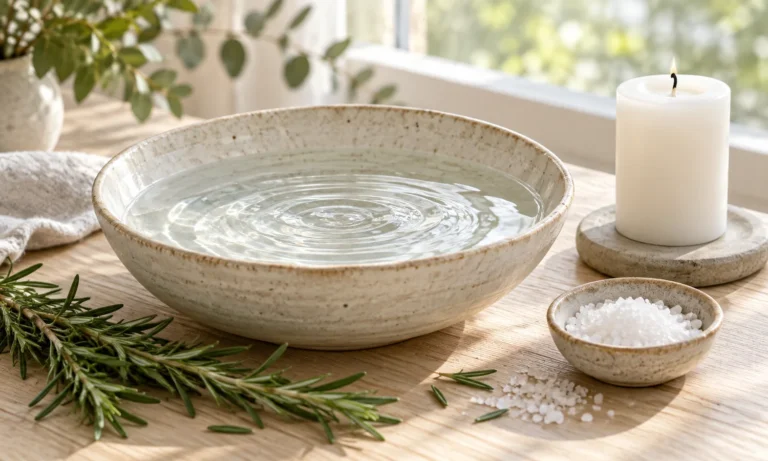
This ritual is relationship-neutral. It does not aim at anyone. It invites openness, kindness, and clarity, then asks you to take one real step afterward. You will need a white or pink candle (or an LED candle), a heat-safe dish, a small bowl of water, paper, and a pen.
Fire safety comes first. Set a real candle on a heat-safe dish away from curtains, paper, and pets. Never leave a flame unattended. An LED candle works just as well.
Afterward, you can tuck the paper into a journal or recycle it. There is no required schedule, so repeat the ritual on a new moon or whenever it feels useful. If you prefer no flame at all, use a bowl of water as your focus and skip the candle steps.
Some people add journal prompts after the ritual. Try: What do I want to feel in a relationship? What do I no longer want to accept? Which friends help me feel at ease? Your answers can guide the real step you chose.
Practitioners often describe ritual as a way to focus attention and set a clear direction. Many people feel calmer or more hopeful afterward. That is a real experience, but it is not proof that a spell changed anyone else’s choices.
There is no set timeline, and no spell can promise a partner, a reply, or a reunion. If you are curious how people talk about timing, read about how long a love spell takes to work. Often the useful change is in your own habits. You might notice:
Some days you may notice nothing at all, and that is normal. A ritual is one tool among many. It works best alongside rest, friendship, and honest self-reflection.
A few patterns come up again and again. Each one has a simple, healthier option.
Be careful with anyone who promises a result or asks you to send money, photos, or personal details for a spell. That is a scam signal, whatever religion they claim.
If love feels painful or confusing, a licensed therapist or couples counselor can help in ways a ritual cannot. If a relationship involves abuse, stalking, or threats, contact local support or emergency services, and respect any block or no-contact request.
Some do and some do not. Many Wiccans accept magic as part of their practice but keep love work self-focused, such as building confidence or inviting openness. Others avoid love spells entirely because they worry about free will. Wiccan traditions differ, so there is no single official answer that covers every practitioner.
The Threefold Law is a belief held by many, though not all, Wiccans that the energy you send out comes back to you, often described as three times over. Some take it literally, while others treat it as a reminder to act with care and accept responsibility. It is one reason many avoid spells that affect other people.
Most Wiccan teaching discourages it, because it can override another person’s free will and may break the harm none ethic. Many practitioners focus on their own readiness for love instead. Wiccan views differ, but consent is a common thread. We do not provide instructions for targeting anyone.
Wicca is a specific modern religion with its own ethics, festivals, and deities. Witchcraft is a wider craft that people of many beliefs practice, including people with no religion. Some Wiccans call themselves witches, but not every witch is Wiccan. Both can include love rituals, often guided by different rules.
Disclaimer
Disclaimer: This article is for education and cultural understanding only. Wiccan views on magic vary, and no ritual can promise a particular outcome in love. Always respect other people’s consent and boundaries, and seek professional or emergency help when you feel unsafe or overwhelmed.