Weekly Love Guidance
Consent-first, practical guidance on love traditions, reconciliation, boundaries, and relationship clarity.

Love. Clarity. Choice.

A calm, consent-first beginner framework for casting a love spell: intention, timing, simple tools, clear steps, a gentle closing, and what to do afterwards.
Quick answer: Learning how to cast a love spell begins with a clear, self-focused intention rather than a particular person. Choose a calm time, gather a few household items such as a candle (or an LED candle), a pen, and paper, then speak your intention, sit quietly with it, and close the ritual with thanks. Practitioners see a love spell as a tool for focus and openness. It cannot promise an outcome or control anyone’s feelings.
Related guidance: Before you begin, read about love spells, their types, and their ethics, ask whether love spells really work, see how a red candle love spell is traditionally described, and learn how to end a love spell safely.
| Approach | What it involves | Safety note |
|---|---|---|
| Candle intention | Light one candle and speak a single intention | Use a stable holder or an LED candle |
| Written intention | Write one self-focused sentence and keep it private | No flame or smoke needed |
| Small spell jar | Layer a few dried petals with your written intention | Check for allergies and pets |
| Meditation only | Sit quietly and picture the love you welcome | No tools needed |
| Ritual aimed at one person | Tries to sway a named person’s feelings | Skip it; it ignores their consent |
Key Takeaways
In folk tradition, a love spell is a short ritual that pairs symbolic objects with spoken or written words. Practitioners describe it as a way to focus attention on an intention, much like a prayer, a vision board, or a new year’s resolution. The candle, the paper, and the words are symbols, and the ritual gives you a quiet space to name what you want.
Many beginners start with a self-focused aim, such as feeling ready for love, healing after a breakup, or building confidence. These aims keep the ritual about you, which is where your own effort can make a real difference. A spell aimed at one person’s feelings is another matter, and most ethical practitioners advise against it.
It also helps to keep expectations honest. A love spell cannot override another person’s free will, and nothing shows that it changes how someone else feels. What it may do is steady your mind and nudge you toward real steps in the life you want.
Most simple spells follow the same outline, which makes them easy to learn and easy to adapt. This is the framework used in the rest of this guide.
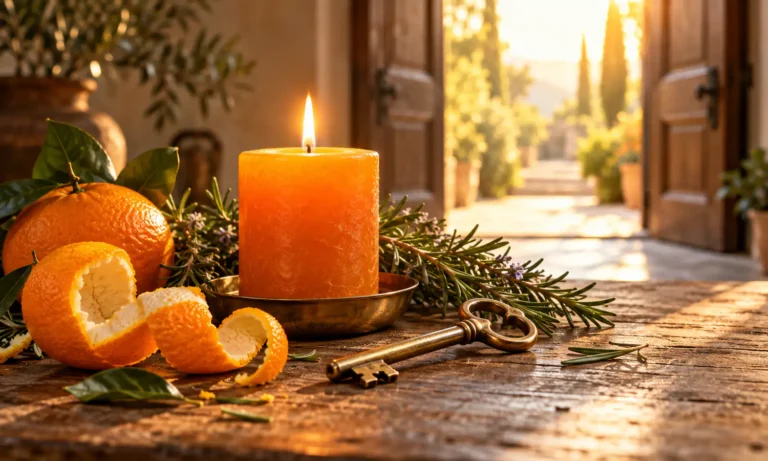
This beginner ritual uses items most homes already have, and it takes about twenty minutes. You will need a candle in a heat-safe holder (or an LED candle), a pen, a small piece of paper, and a quiet room. Nothing has to be bought, and no special skill is required.
If you would like ideas for the words themselves, see our guide to love spell chants and words. There is no need to burn the paper, which removes one fire risk.
If you prefer not to use a flame at all, do every step with an LED candle or with no candle, simply holding the paper. The focusing part of the ritual stays the same, and some people find it more relaxing without a flame to watch.
Many practitioners treat the closing as the most important step, because it tells your mind the ritual is finished. Saying thank you, stretching, and drinking a glass of water can help you return to ordinary life. It also keeps you from carrying the spell around all day as a worry.
Many practitioners favor Friday, the day traditionally linked with Venus, the Roman goddess of love. Others choose the night of a full moon for gratitude or a new moon for fresh starts, and our full moon love spell guide covers those details. These are customs, not rules, and there is no evidence that the day changes an outcome.
The best time is simply one when you feel unhurried and private. Choose a room where children and pets cannot bump the candle, and leave your phone in another room if you can.
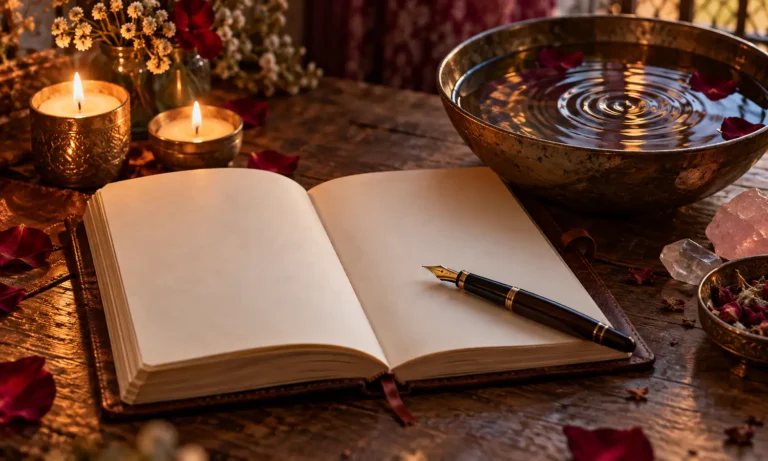
Tools are optional. Colors carry traditional meanings, with pink for affection, white for clarity, and red for passion. A dried rose petal or a pinch of lavender can add atmosphere, but check for allergies first and skip anything smoky if you have asthma or pets nearby.
Keep a real candle away from drafts, fans, and open windows, which can push a flame toward fabric. Your words can be simple, too. Plain sentences that describe your own feelings tend to serve you better than borrowed phrases you do not understand.
Most beginners notice a shift in mood rather than a dramatic event. You might feel calmer, clearer, or more willing to accept a social invitation. Practitioners say that is the point, because the ritual marks a starting line and your own actions carry the intention forward.
Keep a short journal of how you feel over the next few weeks, and avoid repeating the ritual out of worry. Doing it again and again can turn into a way to avoid uncertainty. No timeline can be promised, so try not to measure your life against a date.
A healthy response looks like feeling steadier, sleeping a little better, or taking a small step you had been avoiding. A warning sign is checking your phone all day for a message, or feeling that the spell’s success decides your worth. If you notice the second pattern, go for a walk and talk with someone who knows you well.
If longing, anxiety, or grief starts to feel heavy, talk with a trusted friend, a therapist, or a counselor. They can help in ways a ritual cannot.
Most problems with a first love spell come from pointing it at someone else or rushing it. These are the mistakes to watch for, each paired with a better path.
Some situations call for something other than a ritual. If you are grieving, feeling hopeless, or unable to stop thinking about one person, a therapist can offer support that a spell cannot. Couples counseling is also worth considering if your question is about an existing relationship.
If your hope is about one particular person, try an honest conversation, and respect it if they say no or ask for space. If there has been abuse, stalking, threats, or a request for no contact, respect their blocks and contact local support services or emergency services rather than trying any ritual.
You need very little: a clear, self-focused intention, a quiet space, and a few simple items such as a candle or LED candle, a pen, and paper. Many practitioners add a dried rose petal or a pinch of herbs, but objects are optional. Calm focus and honest words matter more than tools, and nothing needs to be bought.
A simple, self-focused ritual at home carries little risk if you take basic precautions. Use a stable holder or an LED candle, never leave a flame unattended, avoid allergens, and never involve another person’s name or belongings. If the ritual makes you anxious or fixated, pause and talk with a counselor or trusted friend.
Many practitioners favor Friday, the day linked with Venus, or the night of a full or new moon. These are traditions rather than requirements, and no evidence shows that a particular day changes an outcome. The best day is one when you feel calm, private, and unhurried, without pressure or a deadline.
Most ethical practitioners advise against it, because it tries to override another person’s free will and choices. Focus the ritual on your own openness and confidence, and have an honest conversation with the person instead. If they have asked for distance, respect it, and contact local support services if you ever feel unsafe.
Disclaimer
Disclaimer: This article is for education and cultural interest only. No ritual can promise an outcome or change another person’s feelings, and nothing here replaces advice from a therapist, doctor, or legal professional. Always respect other people’s consent and boundaries, practice fire safety, and contact local support or emergency services if you feel unsafe.